
Limb Salvage Procedures in Largo
Limb Salvage Procedures Near You
Limb salvage procedures are treatments used when a foot or leg is severely damaged or at risk. Serious wounds, infections, poor blood flow, or diabetic foot complications can put the limb at risk and require prompt care. At Worman Foot & Ankle Associates, we provide limb salvage procedures in Largo to help protect the affected limb, manage infection risk, and support healing when possible.
If you or a loved one has a serious foot or leg problem, early care matters. Small delays may make the condition harder to treat. If you are looking for limb salvage procedures near you, our team is here to evaluate your condition and explain your treatment options clearly.

What Is Limb Salvage?
Limb salvage is medical care used when a foot or leg is seriously damaged, infected, or at risk of amputation. The goal is to treat the underlying problem, protect healthy tissue, and reduce the risk of limb loss.
Our podiatrist may treat the condition by cleaning wounds, removing infected or damaged tissue, managing infection, improving pressure relief, and coordinating care when blood flow support is needed. Treatment depends on the severity of the wound, infection, circulation, and overall health.
Limb salvage care may help patients keep more function and mobility when treatment is started early and closely monitored.
Who Needs Limb Salvage Procedures?
Not every foot problem needs this level of care. Limb salvage is usually used for more serious cases. You may need limb salvage care if you have:
Severe foot or leg infection
Non-healing wounds or ulcers
Diabetic foot complications
Poor blood circulation, also called peripheral artery disease
Bone infection in the foot or ankle
Serious injury or trauma
Tissue death or risk of gangrene
People with diabetes are at higher risk because small cuts can turn into deeper wounds if they are not treated early. If you notice swelling, color changes, drainage, a wound that is not healing, or pain that does not improve, it is important to visit a podiatrist near you promptly.
Benefits of Limb Salvage Procedures
Limb salvage care may offer important benefits when treatment begins early. Potential benefits include:
Lower Risk of Amputation: Treatment may help reduce the risk of limb loss when the condition is addressed early.
Infection Management: Care may help control infection and lower the risk of it spreading.
Wound Healing Support: Wound care, pressure relief, and follow-up visits may help support healing.
Protection of Healthy Tissue: Removing damaged or infected tissue can help protect nearby healthy tissue.
Better Mobility Support: Preserving as much function as possible may help with standing, walking, and daily activity.
Reduced Risk of Complications: Early care may help reduce the risk of deeper infection, tissue damage, or more advanced treatment.
Preserving the natural limb when possible can support balance and daily function, but outcomes depend on the severity of the condition and the patient’s overall health.
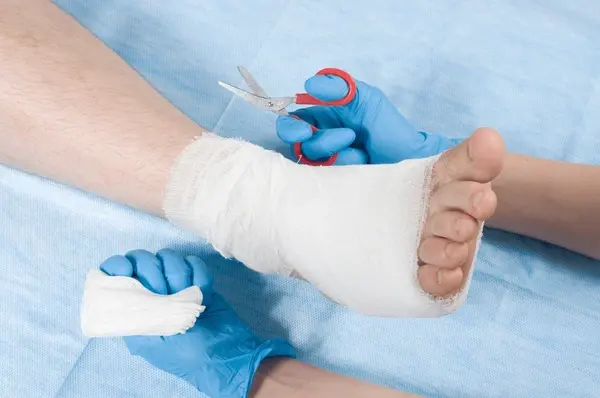
Procedure: How It Works
We take simple and clear steps during limb salvage procedures in Largo:
Examination and Tests
Our podiatrist in Largo checks your foot, wound, blood flow, and infection level. We may use imaging or lab testing when needed.
Wound Cleaning
We may carefully remove dead, damaged, or infected tissue to support healing.
Infection Management:
We may use antibiotics, dressings, or other treatments to help control infection.
Pressure Relief
We may use special footwear, padding, offloading, or supports to reduce pressure on the wound.
Blood Flow Support
We may recommend additional testing or coordinated care if circulation is a concern
Bone or Tissue Care
We may recommend surgery if your bone or deeper tissue is affected.
Wound Care and Recovery
We provide dressings, follow-up visits, and ongoing monitoring to help guide healing.
Recovery takes time and regular care. Following instructions is important for lowering the risk of complications.
Why Choose Worman Foot & Ankle Associates?
Choosing the right care team for limb salvage procedures near you matters when a serious wound, infection, or diabetic foot concern puts your foot health at risk. At Worman Foot & Ankle Associates, we offer:
Detailed Foot and Wound Evaluation: We check the wound, skin, circulation, and possible infection.
Modern Wound Care Methods: We use wound care techniques based on your condition and healing needs.
Focus on Limb Preservation: We work to protect as much healthy tissue and function as possible.
Clear Treatment Plans: We explain your care in simple language so you know what to expect.
Close Follow-Up Care: Regular visits help us monitor your healing and adjust your treatment when needed.
Patient-Focused Communication: We take time to answer your questions and discuss your options.
Every decision is made with your foot health, safety, and long-term function in mind.
Early Treatment Can Help Protect Your Limb
Do not wait to seek help for serious foot or ankle problems. Early care may reduce the risk of complications and support better healing. At Worman Foot & Ankle Associates, we provide limb salvage procedures in Largo for patients with serious wounds, infections, or diabetic foot complications.
If you are looking for limb salvage procedures near you, call us today to schedule an appointment.
FAQ
Is limb salvage always successful?
No. Limb salvage is not always successful. Outcomes depend on the severity of the wound or infection, blood flow, diabetes control, and overall health. Early care may improve the chance of a better outcome.
Is the procedure painful?
Pain control methods are used when needed to help keep you comfortable during treatment. Some discomfort may happen depending on the wound, infection, or procedure.
Can patients with diabetes benefit from this treatment?
Yes. Many limb salvage cases involve diabetic foot problems. Patients with diabetes should seek care early for wounds, ulcers, color changes, or signs of infection.
What happens if treatment is delayed?
Delays can allow infection or tissue damage to worsen. This may increase the risk of hospitalization, more advanced treatment, or amputation.