
Deformity Correction in Largo
Deformity Correction Near You
Foot problems that change the shape of your toes or foot can affect daily life. Walking may feel painful, shoes may not fit well, and even simple activities can become hard. At Worman Foot & Ankle Associates, we provide deformity correction in Largo to help improve foot function, comfort, and movement.
If you are looking for deformity correction near you, our team is here to help. Foot deformities can happen at any age. Some people are born with them, while others develop them over time because of injury, arthritis, or long-term pressure on the feet. Many of these conditions can be managed with proper podiatric care.
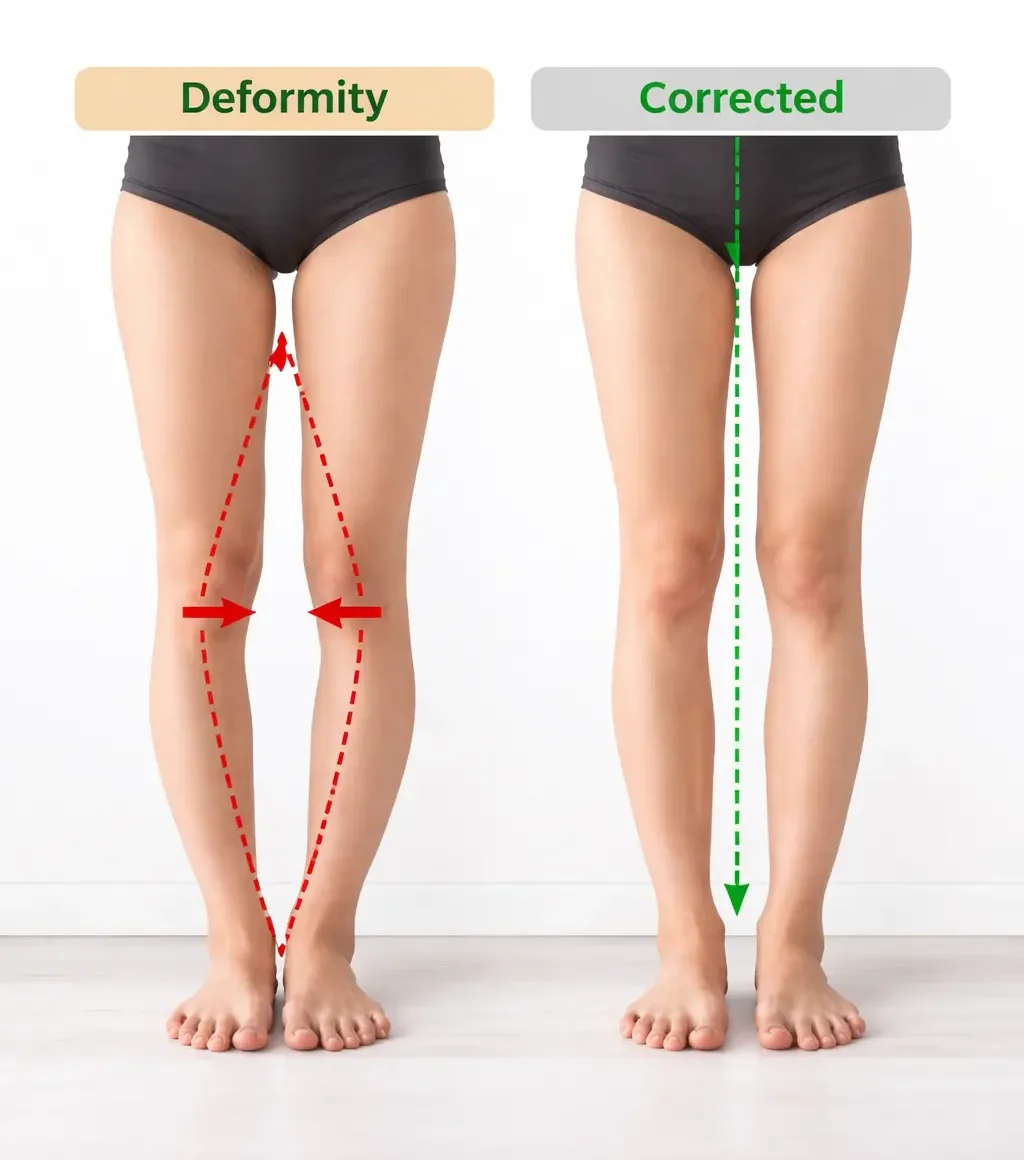
What is Deformity Correction?
Deformity correction is foot and ankle care that helps address changes in bone, joint, or soft-tissue alignment. When the foot is not properly aligned, it can lead to pain, pressure, and difficulty with movement.
Common foot deformities include:
Bunions
Hammertoes
Flat feet
High arches
Toe misalignment after injury
Structural foot imbalance related to arthritis
Treatment depends on the severity of the condition. Some cases are mild and can be managed with nonsurgical care, such as orthotic inserts, splints, padding, or physical therapy. In more serious cases, podiatric surgery may be recommended to improve alignment and function.
Our deformity correction in Largo is not only about appearance. It is also about reducing pain, improving movement, and supporting better foot function.
Benefits of Deformity Correction
Getting treatment for foot deformities can make a difference in daily comfort and movement. Potential benefits may include:
Reduced Pain: Treatment may help reduce pain in the feet, ankles, knees, or nearby joints.
Better Walking Comfort: Improved alignment may make walking feel steadier and more comfortable.
Improved Shoe Fit: Treatment may reduce pressure points and make shoes fit more comfortably.
Less Joint and Soft-Tissue Strain: Better support may reduce stress on joints, tendons, and other soft tissues.
Lower Risk of Worsening Symptoms: Early care may help keep the deformity from becoming more difficult to manage.
Easier Daily Movement: Treatment may support daily activities such as walking, standing, and wearing shoes.
Reduced Skin Irritation: Better alignment and pressure relief may lower the risk of calluses, sores, or rubbing.
Better Foot Support: Care may help improve balance, stability, and overall foot function.
If you are looking for a podiatrist near you, getting the right evaluation can help you understand your condition and treatment options.
Treatment Options for Foot Deformities
Deformity correction is not the same for every patient. The right treatment depends on the type and severity of the deformity, as well as how it affects daily walking and comfort. At Worman Foot & Ankle Associates, we create a step-by-step plan based on your foot condition and lifestyle needs.
We offer the following options as part of deformity correction in Largo:
Custom Orthotic Devices: Special shoe inserts can support the arch of the foot and help improve alignment.
Padding and Splints: Soft supports may reduce pressure on painful areas and help guide toes into a better position.
Foot Exercises and Physical Therapy: Guided exercises may help improve your strength, flexibility, and joint motion.
Proper Footwear Guidance: Supportive shoes can reduce pressure on deformities and support daily comfort.
Medication for Pain and Inflammation: Medication may help manage pain, swelling, and discomfort in joints and soft tissues.
Minimally Invasive Procedures: Some mild to moderate deformities may be treated with smaller procedures when appropriate.
Reconstructive Foot Surgery: Severe cases may require surgery to improve bone alignment and foot function.
Our main focus is to start with the least invasive option when possible. Surgery is usually recommended only when other treatments are not enough to improve comfort or function.

Why Choose Us for Deformity Correction?
Choosing the right podiatry team for deformity correction near you matters when foot shape, pain, or pressure affects your daily life. At Worman Foot & Ankle Associates, we offer:
Detailed Foot and Gait Assessments: We check your foot structure, movement, and walking pattern.
Personalized Treatment Plans: Your care is based on your symptoms, foot shape, lifestyle, and activity level.
Nonsurgical and Surgical Options: We offer conservative care first when appropriate and discuss surgery only when needed.
Modern Diagnostic Methods: Our podiatrist in Largo uses diagnostic tools to better understand your foot condition.
Clear Communication: We explain your treatment options in simple language.
Recovery and Follow-Up Support: We guide you through treatment, recovery, and follow-up care.
Care for Different Ages: We treat children, adults, and older patients with careful attention to their needs.
Our approach is patient-focused. We do not rush treatment decisions. Instead, we help you understand your condition and possible care options.
Take the First Step Toward Better Foot Comfort
Do not ignore foot pain or changes in foot shape. Early care may help prevent symptoms from getting worse. If you are looking for deformity correction near you, timely podiatric care can help protect your feet and support daily comfort.
Call Worman Foot & Ankle Associates today to schedule your visit.
FAQ
What causes foot deformities?
Foot deformities can be caused by genetics, injury, arthritis, muscle imbalance, or long-term pressure from tight shoes.
Is deformity correction always surgical?
No. Many cases are treated without surgery. Our podiatrists often start with orthotics, padding, exercises, splints, or footwear changes. Surgery is usually considered only when other treatments do not provide enough relief.
How do I know if I need treatment?
If you feel pain, notice changes in toe or foot shape, or have trouble walking or wearing shoes, it is best to visit a podiatrist.
Can deformities come back after treatment?
In some cases, they can return, especially if the underlying cause is not managed. Wearing proper footwear, using orthotics when recommended, and attending follow-up visits may help reduce the risk.